

How to recover faster, reduce injury risk, and perform at your peak
If you’re playing competitive football, even at an amateur level, your recovery strategy is just as important as your training.
Poor recovery = Decreased performance, higher injury risk and long-term injuries such as hamstring strains and tendinopathies.
The difference between players who improve and those who plateau?
What they do in the 24-72 hours after the final whistle.
Let’s break down a high-performance, evidence-based recovery system you can implement immediately
Why post-match recovery matters
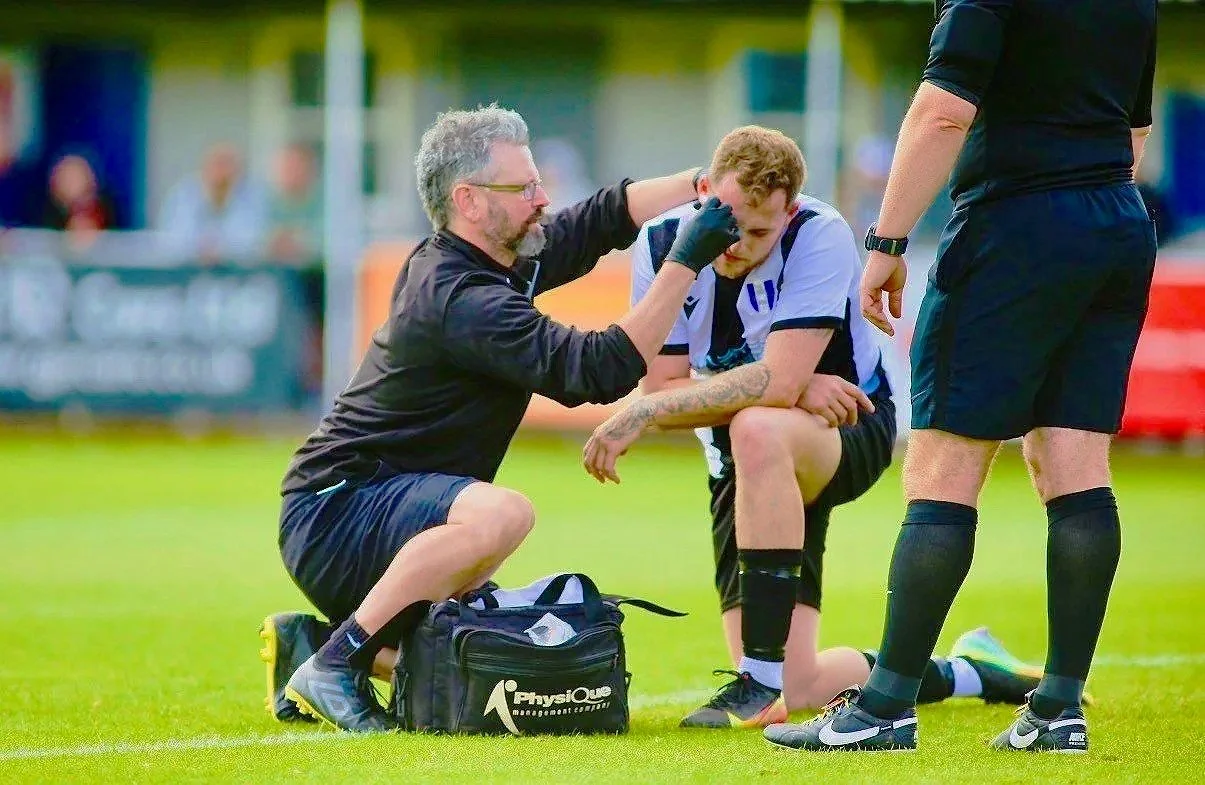
Football places massive stress on the body:
Repeated sprinting
Eccentric loading
High impact collisions
Glycogen depletion
Without proper recovery
Strength decreases for up to 72 hours
Injury risk spikes
Fatigue accumulates week to week
This means if you don’t recover well, you will be training and playing at 70-80% of your potential
The first 30 minutes - Goal: Replenish muscle glycogen and muscle repair
Your body is primed to absorb nutrients
Aim for:

Protein 20-40g
Carbs 1-1.2g per kg bodyweight
This could be simple
Protein shake and banana
Chicken wrap
Chocolate milk
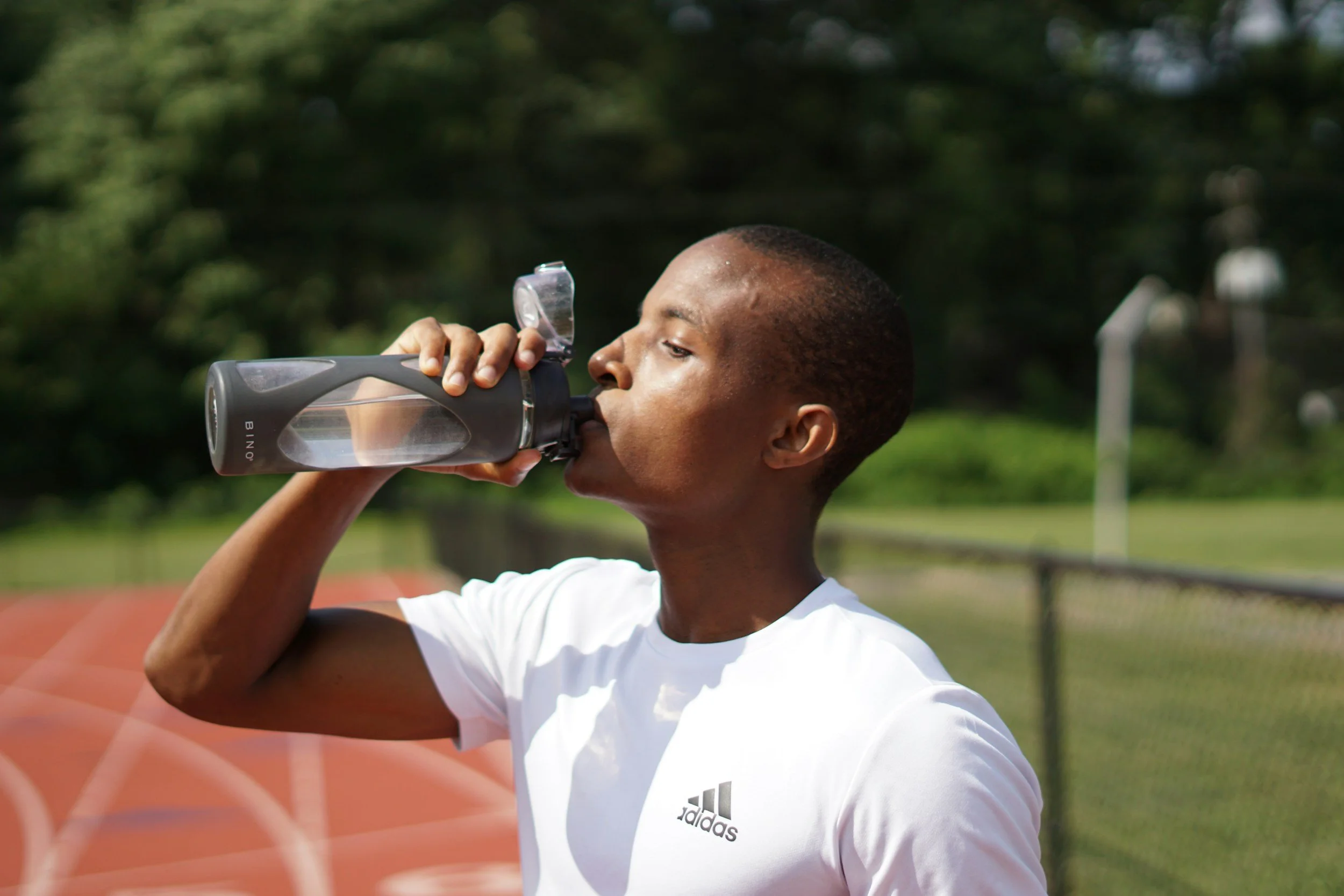
Rehydrate Aggressively
Top tip: You can lose 2-3 litres of water per match. 3% dehydration = 15-20% loss in performance
Target:
1.5x fluid lost (if you lost 1kg = drink 1.5L
Add electrolytes to improve absorption and prevent cramping
Light Active Recovery
Avoid just collapsing on the sofa!

Do:
5-10 minute light jog or cycle
Mobility work
This helps clear metabolic waste and reduces stiffness
Cold Vs Heat: What actually works?
Ice Baths (short-term relief)
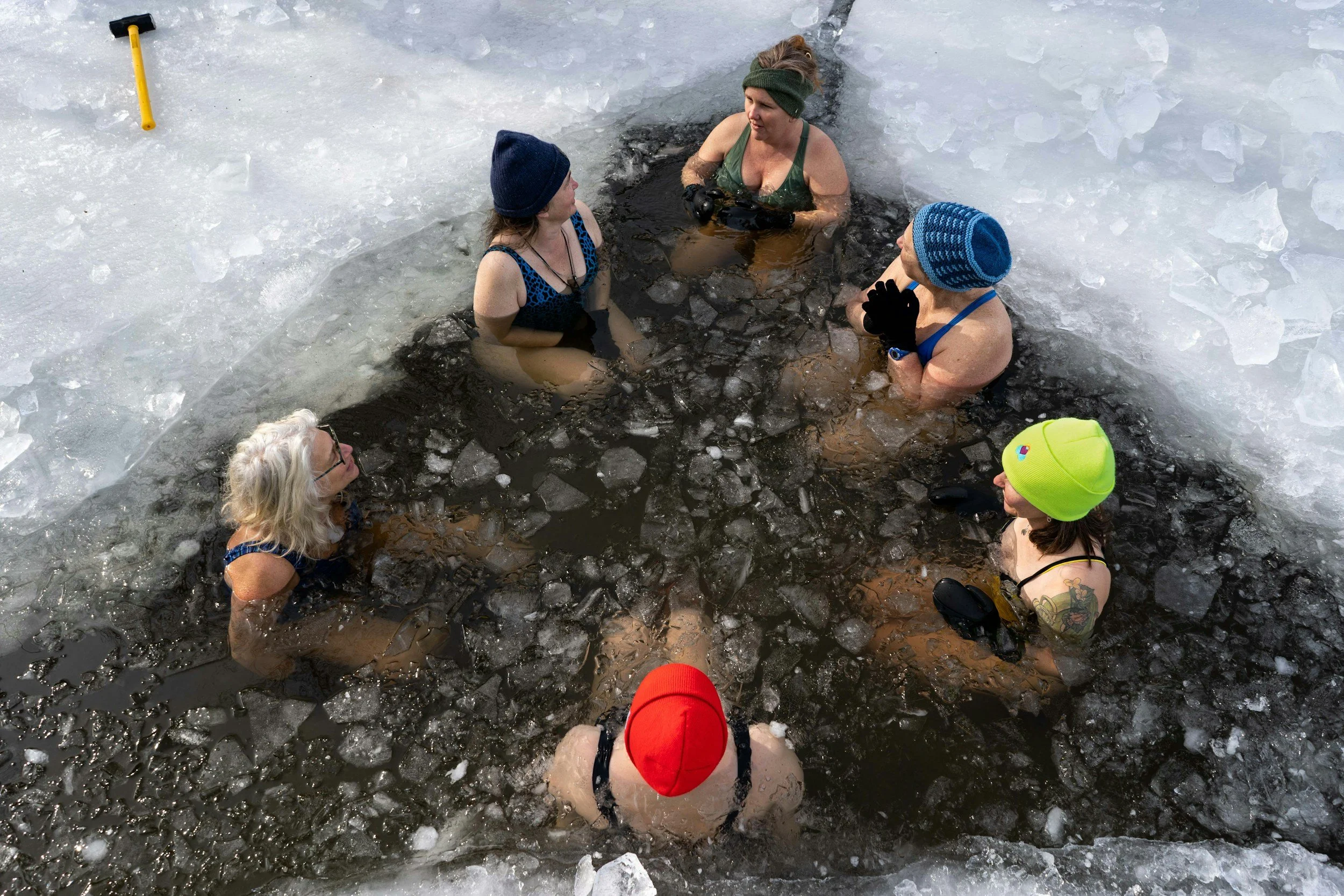
Reduce soreness
Good during congested fixture periods
But…
May blunt long-term adaptation if overused
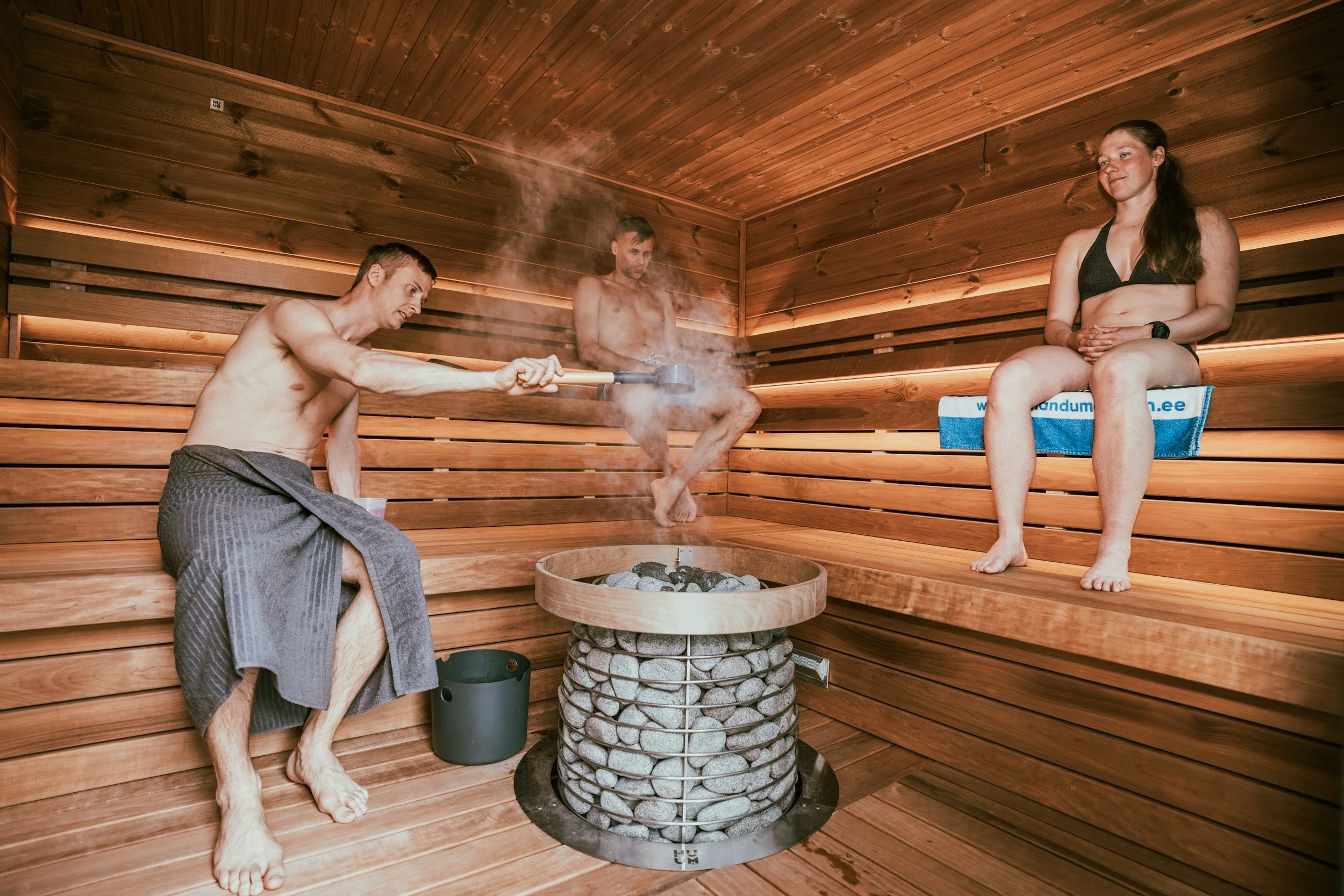
Heat Therapy
Ideal 24hrs post-game
Promotes and stimulates blood flow
Rule of thumb
Same day = cold Next day = Heat
Sleep: Your secret weapon
If you do one thing right, make it this!

Sleep drives:
Muscle repair
Growth hormone release
Hormone regulation
Nervous system recovery
Target
7-9 hours
8-10 hours for athletes
Top tip: Avoid alcohol, avoid screens and caffeine late at night post-match
Nervous System Reset
Football isn’t just physical-it’s neurological.
After a match, your nervous system is highly stimulated.
Simple reset strategy
Deep breathing exercises such as breathing in and out through your nose 2 seconds inhale & 4-5 seconds exhale for 5-10 minutes
Walking outdoors
Low-stimulation environment
Goal: Improve recovery quality and sleep
Recovery Blueprint
Immediately post-match
Refuel (protein & Carbs)
Rehydrate
Light movement
Same Day
Cold Exposure
Relax & Unwind
Day 1
Active Recovery
Mobility work
Day 2
Gradual return to training
Every DayPrioritise sleep
Remember
Recovery isn’t passive-it’s a skill.
The players who recover better will train consistently and stay injury-free, and are the ones who will improve fastest and perform at their peak when it matters.
Start your recovery now contact kieron@physioshack.com and book in today